
The Death of the Genre Label
Ask a DJ what they play these days and most of them will pause. That pause is telling you something.
Not long ago, the answer came easy. You played house. You played drum & bass. You played techno. The genre was your identity, your community, your booking category. It told promoters where to slot you, told fans what to expect, and told the industry how to market you. Genre was infrastructure.
However, something has shifted. Talk to DJs and producers in 2026 and you'll hear the same thing, phrased a hundred different ways: the genre label doesn't fit anymore. The music they're making doesn't sit in one box and increasingly, they're not sure they want it to.
Where Genre Came From
Genre labels in dance music were never really about the music, they were about logistics.
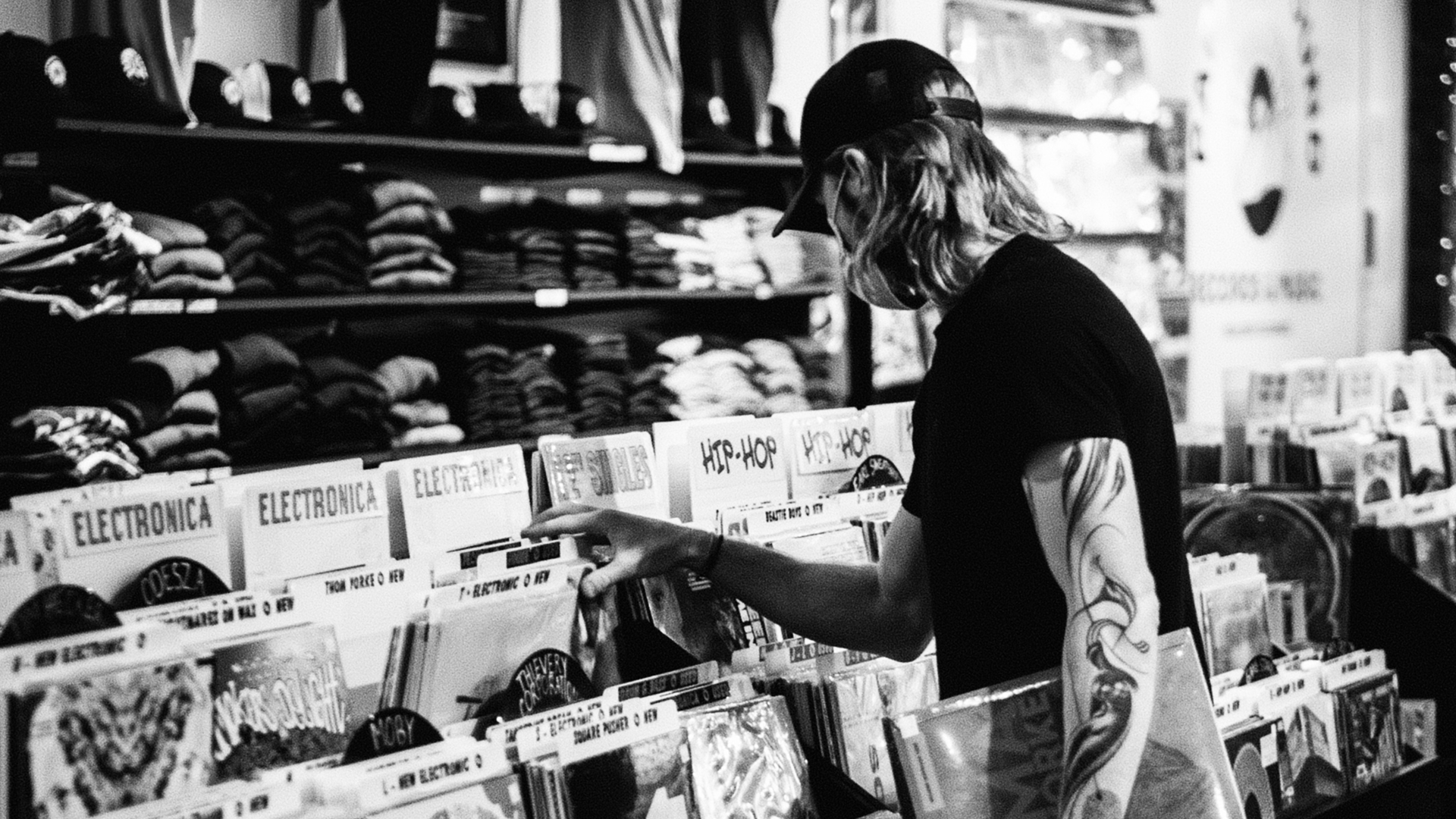
When record shops needed to organise shelves, when clubs needed to describe their nights, when distributors needed to file releases, genre provided the filing system. House went here, techno went there, etc... The categories were rough and often contested, ask anyone who argued about whether something was house or garage in 1993, but they were functional, they moved product, and they filled rooms.
The internet didn't destroy genre. For a while, it made it more precise. Sub-genres multiplied: minimal techno, deep house, melodic techno, afro house, liquid drum & bass, neurofunk. Discogs became a cathedral of classification, music journalists competed to be the first to name a new micro-scene. Genre got more granular, not less.
But then algorithms arrived and it changed the game completely.
The Algorithm Doesn't Care What You Call It
Spotify, SoundCloud, and YouTube algorithms don't organise music the way a record shop does. They organise it by behaviour: what people listen to together, what they skip, what they save, how long they stay. The system learns that if you listen to a certain track, you might like these other tracks and it doesn't need genre to do that. Genre becomes a loose suggestion at best.
For listeners, this has had a liberating effect because discovery no longer follows genre lines. A house fan finds themselves deep in a UK garage rabbit hole. A drum & bass listener gets recommended something that sounds closer to ambient techno. Tastes are messier, more eclectic, and more personal than the old filing system could accommodate.
For artists, the effect has been more complicated.
“I stopped putting genre tags on my releases about two years ago, I’d spent so long trying to figure out which box I fit in, and the honest answer was none of them. So I just stopped. And weirdly, my music found a wider audience than it ever had.”
The Artists Pushing Back
The artists who've gained the most traction in recent years are often the ones who've most aggressively refused categorisation. They move between tempos, blend references, resist the elevator pitch. When you try to describe what they do, you end up listing influences rather than genres.
This is partly aesthetic, a genuine evolution in how dance music sounds, but it's also strategic. In a saturated market, being uncategorisable can be a competitive advantage. You don't belong to one scene, which means you're not limited to one audience. You can play a techno night in Berlin and a festival stage in Barcelona and a UK club in the same month, and each booking makes sense on its own terms.
“Genre used to protect you, it gave you a lane, but now it can trap you. If you get tagged as a certain sound and that sound falls out of fashion, where does that leave you?”
Where it leaves you is scrambling to re-label yourself, which is its own kind of exhausting.
What Promoters Are Dealing With
The collapse of clean genre categories has created real headaches for promoters, especially those who built their brand around a specific sound.
A night that positioned itself as a pure UK garage night three years ago now faces a dilemma: the artists it wants to book don't play pure UK garage anymore, and the audience it built expects a certain sound. Do you follow the artists, or protect the brand? Several well-known club nights have quietly expanded their descriptions in recent months, "electronic music" replacing more specific labels on social media bios, SoundCloud uploads, and booking pages.
Not every promoter is comfortable with that. For smaller or newer nights, genre specificity still functions as a signal, it tells a potential audience that this night is for them. Losing that clarity can mean losing the niche that made you distinctive in the first place.
The Identity Problem
Genre has always been about more than music. It's been about community, identity, and belonging. The community you joined when you decided you were a drum & bass person, or a house person was a social structure, a shared set of references, values, nights out, and record crates.
When genre becomes fluid, that community can fragment and some see this as a loss. The underground scenes that produced the most lasting music: Chicago house, Detroit techno, UK jungle were tight communities defined by shared geography, shared struggles, and shared aesthetics. Genre was the glue.
Others argue that the fragmentation is creating something new rather than destroying something old. Online communities have formed around curators, labels, and individual artists rather than genres. Thecommunity has become "people who follow this particular label" or "people who trust this DJ's taste." Genre is being replaced by curation as the primary organising principle of music.
So Is Genre Dead?
Not quite. Genre still has utility, it still moves the logistics of the industry, still appears on Beatport, still structures festival lineups into stages. It will be a long time before it disappears entirely, and it probably never will.
But as a cultural force, as a source of identity, community, and meaning in dance music it is weakening. The artists who are building the most interesting careers right now are often doing so outside of genre boxes. The nights that feel most vital are often the ones that have stopped trying to describe themselves as one thing.
What's replacing genre isn't chaos. It's something more subtle: a shift from category-based identity to curator-based identity. You don't need to know what kind of music you're going to hear, you just need to trust the person putting the night together.
That requires more from the artists and promoters who want your trust. They have to prove the feeling, not just name it.
The pause when you ask a DJ what they play? That's not confusion. That's the sound of someone who's stopped trying to fit inside a box that was never really built for them.