
The Space Between Producing Music and Being Heard
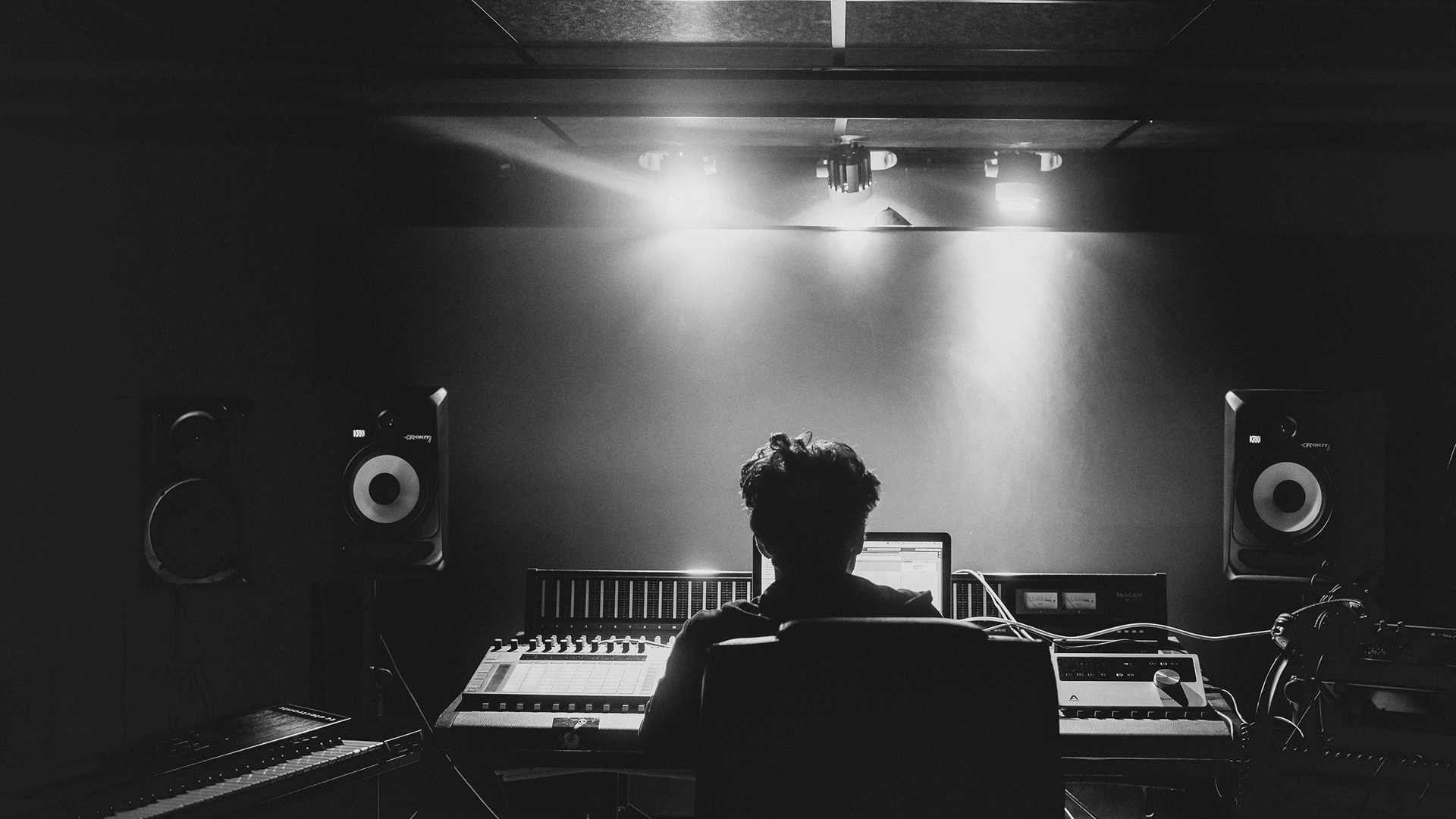
There's a version of the music industry that artists believe in early on. You make something good. People hear it. Things happen. It's a clean, logical sequence and it almost never works that way.
The music exists. That part most producers have figured out. Studios are more accessible than they've ever been, the tools are better, the barrier to releasing something into the world is effectively zero. What hasn't become easier is the part that comes after: navigating the distance between having made something and having it matter to anyone beyond your immediate circle.
That distance is where most artists get stuck. Not because the music isn't good enough, but because good music and a career are two separate things, and the industry doesn't always make that distinction clear.
The Myth of the Work Speaking for Itself
The idea that quality rises to the top is one of the most persistent beliefs in music, and one of the least supported by evidence. Plenty of exceptional artists have disappeared without trace and plenty of average ones have built sustainable careers. Talent is a prerequisite, not a guarantee and treating it as the whole equation is where a lot of emerging artists lose years of momentum.
This isn't cynicism, it's just an accurate reading of how the industry actually functions. Music doesn't exist in a vacuum, it lands in a context (a moment, a scene, a relationship, a platform) and that context shapes almost everything about how it's received. Two identical tracks released under different circumstances will have completely different outcomes.
The artists who understand this early tend to progress differently to those who don't. They're not more talented, they're just more aware of the full picture.
Positioning Is Not Marketing
When artists hear the word positioning they often translate it as marketing, which then triggers thoughts about content strategies, posting schedules, and doing things that feel inauthentic. That's not what this is.
Positioning is simpler and more fundamental than that. It's about having a clear sense of what you're doing, why it's distinct, and who it's for. It's the answer to the question a promoter, a blog, or an A&R is silently asking the moment they encounter your music: what is this, and where does it fit?
Artists who can answer that question, not in a pitch, just through the accumulated clarity of their output, create a much easier path for the people who might want to support them. The ones who can't tend to get filed as interesting but indistinct, which is a polite way of saying they don't get followed up on.
This doesn't mean having a rigid identity or forcing yourself into a box. It means knowing what you stand for well enough that it comes through consistently, without having to explain it.
Timing Is Underrated and Mostly Ignored
Most emerging artists release music when it's finished. That sounds reasonable until you consider how much timing shapes reception.
Releasing into a moment when your sound is culturally relevant, when a scene is building, when a genre is gaining traction, when audiences are curious about something new is a meaningfully different experience to releasing into a quiet period or against the grain of what's capturing attention. The music might be identical, the outcomes won't be.
Timing also applies to readiness. There's a version of premature release that's almost invisible while it's happening: artists putting out music before they have enough context around them to support it. No relationships with the right people, no audience primed to receive it, no narrative to anchor it. The track lands, gets a polite response, and disappears. The artist interprets this as the music not being good enough and goes back to make something better. But the issue wasn't the music.
None of this means waiting indefinitely. It means releasing with intention rather than relief.
Relationships Are the Infrastructure
The music industry runs on relationships, and relationships take time to build. The DJs who play your tracks, the blogs that cover your releases, the promoters who take a chance on an unfamiliar name, these moments come from trust, familiarity, and consistent presence over time.
This is where a lot of emerging artists are passive in ways that cost them. They send cold emails into the void, get no response, and conclude the door is closed. What they haven't done is spend any time in the rooms where those relationships actually form: at the nights, on the forums, in the communities where the people they want to reach actually exist.
Being present in a scene is not the same as networking in the transactional sense that word implies. It's closer to showing genuine investment, caring about the music beyond your own, supporting artists you respect, building the kind of credibility that comes from being immersed rather than someone who appears only when they have something to promote.
The artists with the most sustainable careers tend to be deeply embedded in communities, that's not a coincidence.
Consistency Does More Work Than Most Artists Realise
There's a tendency to treat each release as a separate event, something to push hard for a week or two before moving on. Streaming has reinforced this in some ways. Single-driven culture, algorithm chasing, and the pressure to keep feeding platforms.
But the thing that actually builds an audience over time is less about any single release and more about the accumulation of them. The sense that someone is always working, always developing, always showing up with something that reflects a consistent point of view. The industry and audiences trust that.
Consistency doesn't mean quantity. Releasing something you’re not happy with to stay visible is worse than going quiet. It means maintaining a visible creative practice, not just in music, but in how you engage with the world around your work. The artists who disappear between releases tend to find that each new release starts from zero. The ones who stay present tend to find that each release lands on slightly warmer ground than the last.
The Support Question Nobody Asks Early Enough
labels used to play a bigger role in developing artists. They signed you, built you, funded the infrastructure around your career, and took a significant share of what you earned as a result. That model still exists at the top of the industry, but for the vast majority of emerging artists it isn't a realistic pathway, and waiting for it to arrive is another way of losing time.
What that means practically is that the support infrastructure (the people helping you think through strategy, make connections, handle the business side) has to be assembled differently. It might be a manager. It might be an agency. It might be a mentor who's further along the same path. It rarely happens by chance.
This is the part of artist development that gets talked about least and matters the most. The artists who build careers never to do it entirely alone. They have people around them who understand the industry, can see the bigger picture when the artist is too close to the work, and can open doors that are hard to open from the outside.
Finding those people is its own kind of work and it belongs in the conversation about artist development just as much as making good music does.
Final Thoughts
The distance between producing music and being heard isn't closed by making better music. It's closed by everything else: the clarity about who you are, the patience to release at the right moment, the presence in the scenes that matter, the consistency that builds trust over time, and being willing to build support structures rather than wait for them.
None of that is as immediately satisfying as finishing a track. Most of it doesn't feel like creative work. Some of it takes years to pay off in any visible way.
But the artists who understand that the music and the career are two separate projects, and give both the attention they deserve, tend to be the ones still around when it counts.