
What’s Next in Dance Music, Before It’s Obvious
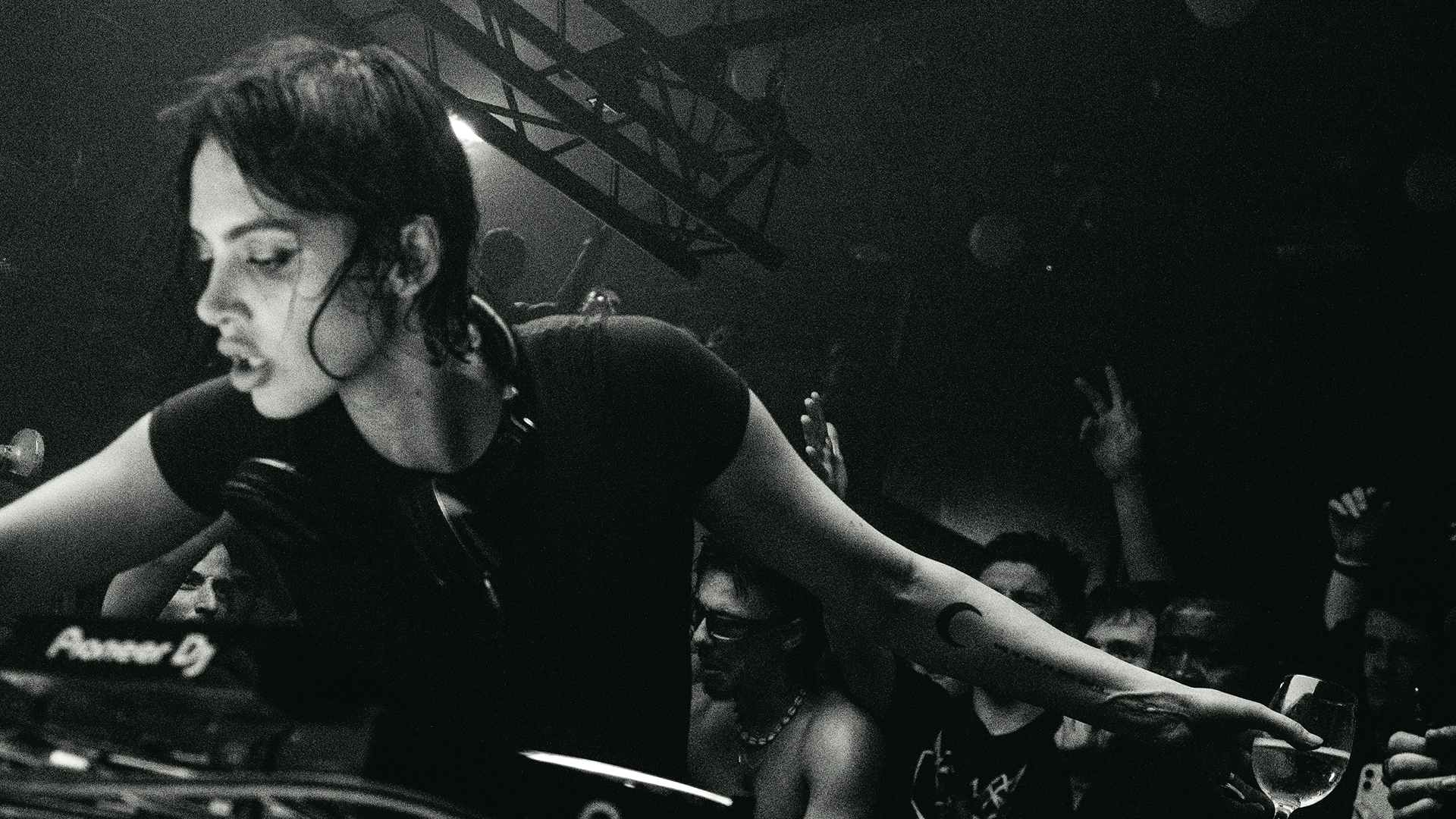
You don’t usually notice what’s next when it first appears. It doesn’t arrive as a statement. There’s no clear moment where everything changes, It’s quieter than that.
A track feels slightly off in a good way or a set moves differently to what you expected.
Something about the rhythm just holds the room a little longer.
At first, it’s easy to ignore. Then you hear it again. And again. Not everywhere, just in certain places, with certain DJs, at certain points in the night.
By the time it’s obvious, it’s already been there for a while.
It Starts in the Middle of Sets
If you’re trying to hear what’s changing, the easiest place to miss it is the obvious one.
It’s not in the biggest tracks.
Not in the closing moments.
Not in the clips that circulate afterwards.
It tends to sit somewhere in the middle.
The part of a set where things aren’t trying to peak. Where the energy is steady, but not dramatic. Where the DJ isn’t proving anything, just trying something new.
A new tune comes in and nothing happens immediately. No reaction, no phones out, no obvious shift. But people don’t leave the floor. If anything, they move a little more consistently. Conversations fade without anyone deciding to stop talking.
“It’s usually the music people don’t react to straight away that ends up lasting the longest.”
It doesn’t feel like a moment. It just works.
And those tracks, the ones that don’t need to declare themselves, tend to be the ones that stick around.
Less About Impact, More About Movement
For a while, a lot of dance music has been produced around moments.
You can hear it straight away: the build, the drop, the release. It makes sense quickly. It translates easily outside of the club. It gives you something to react to.
That hasn’t disappeared, but it’s not the only thing people are responding to anymore.
More and more, you hear music that doesn’t really “arrive” in that way.
It doesn’t feel like it's heading somewhere obvious. It doesn’t signal when something big is about to happen. Instead, it settles into a rhythm and stays there long enough for people to lock into it.
Nothing explodes, but the room doesn’t drift either.
If anything, it tightens.
The Tracks That Don’t Explain Themselves
There’s a certain kind of track that’s starting to show up more often.
If you heard it on its own, you might not think much of it. It wouldn’t feel unfinished, just a bit understated. Maybe even slightly confusing at first.
But in the right place, it makes sense immediately.
The drums sit comfortably. The low end feels clean. There’s space between elements. Nothing is competing for attention, which means nothing pulls you out of the rhythm either.
You don’t focus on it. You move with it.
And that seems to matter more now than whether a track stands out instantly.
You Hear It Through DJs First
Trends in dance music rarely spread from the top down.
They don't start with the biggest producers or the most visible releases. They move sideways, through DJs who are trying things out live, usually without making a point of it.
You might hear one track that feels slightly different.
Then later, another not the same, but related somehow.
A similar rhythm, or a similar sense of space, or just the way it sits in the room.
At first, it doesn’t feel like a pattern.
If you’re paying attention, you start to notice the same kinds of tunes appearing in different places, not exactly the same, but the same feeling.
That’s usually the sign something is shifting.
“You start hearing the same kind of records from different DJs, even if they’re not playing the same tracks. That’s when you know something’s shifting.”
It Doesn’t Always Translate Online
Part of the reason these changes go unnoticed is that they don’t always travel well.
They’re not designed for short clips. There’s no obvious moment to capture. If you cut 20 seconds out of the middle, it might not sound like much at all.
But that’s the point.
Some tracks only really exist in the context of a room, at volume, surrounded by people, over time. They don’t need to make sense immediately because they’re not trying to hold your attention for a few seconds.
They’re trying to hold it for minutes.
That gap between what works online and what works in a room feels wider than it ever has.
It’s Not a New Genre
This is where people usually get it wrong.
They try to name it.
They look for a label, a category, something that defines it neatly. But what’s changing right now isn’t a genre you can point to.
It’s more subtle than that.
It’s a shift in how tracks are produced, how they’re played, and what people respond to when they’re fully inside a night rather than just passing through it.
You still hear everything else alongside it: melodic, vocal tracks, big moments, familiar structures. None of this disappears.
But alongside it, something else is happening that feels a bit less obvious and a bit more durable.
Most People Notice Too Late
By the time something becomes widely recognised as a “trend,” it’s already settled into place.
It's everywhere. The sound is familiar. The language has caught up with it.
But the early version, the one that felt slightly different, slightly harder to describe is gone.
That’s why it’s easy to miss.
Not because it isn’t there, but because it doesn’t announce itself loudly enough to demand attention straight away.
You hear it properly when you’re in the room, when nothing else is competing for your focus, when the music isn’t trying to impress you.
Just move you.
And if you notice it early, it doesn’t feel like a trend at all.
It just feels like something that works.
The strange part is, by the time everyone agrees on it, it usually doesn’t feel new anymore.