
The First 10 Minutes: Where DJs Win or Lose the Room
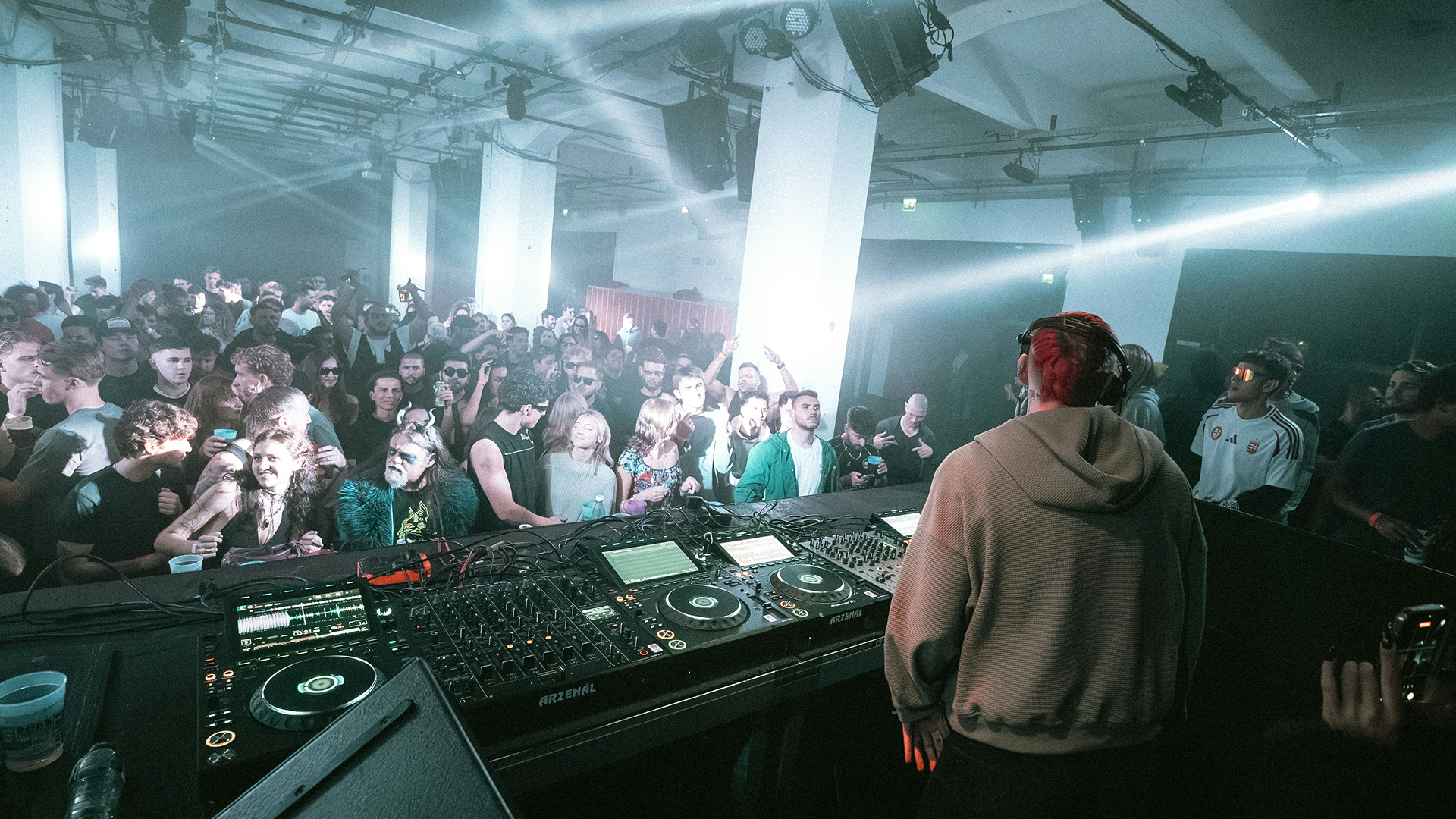
There’s a moment at the start of every set that most people don’t consciously notice.
The DJ steps up.
A track comes in.
The room shifts slightly.
Nothing dramatic happens. There’s no big reaction, no obvious turning point. But in those first few minutes, something quieter is taking place.
The crowd is deciding whether to trust you.
It doesn’t happen all at once. It builds in small signals: how the first transition feels, how the energy settles, whether the music makes sense for the room you’ve walked into.
Most of the audience wouldn’t describe it like that. But DJs feel it immediately.
You can tell when a room leans in.
You can tell when it holds back.
And more often than not, that decision starts forming within the first ten minutes.
Walking Into Someone Else’s Night
Unless you’re the first DJ on, you’re never starting from zero.
The room already has a mood. The previous DJ has left a certain level of energy behind. The crowd has its own momentum: sometimes steady, sometimes scattered, sometimes on the edge of something.
The mistake less experienced DJs make is treating the start of their set like a reset.
It isn’t.
“You’re stepping into something that’s already moving. If you ignore that, the room pushes back.”
That pushback isn’t always obvious. It can look like people drifting to the bar, conversations picking up, the dance floor loosening slightly. Nothing dramatic, just enough to tell you something isn’t quite connecting.
The DJs who settle a room quickly tend to do the opposite.
They listen first.
The First Track Isn’t a Statement
There’s a temptation to make the first track count.
To signal identity.
To make an impression.
To establish control immediately.
Sometimes that works. Often it doesn’t.
The first track isn’t really about the DJ. It’s about alignment.
Does the energy feel right for the moment?
Does it sit comfortably in the room?
Does it feel like a continuation, or a disruption?
“If the first track feels forced, people notice straight away. Even if they can’t explain why.”
That’s the risk of starting too big, too fast, or too disconnected from what’s already happening. The crowd hasn’t decided to follow you yet.
You’re still earning that.
Small Signals, Not Big Moments
What matters early on isn’t impact, it’s consistency.
A clean transition.
A steady energy level.
A sense that the music knows where it’s going.
These are small things, but they add up quickly.
Within a few minutes, the audience starts to relax into the set. Movements become more confident. People stop looking around and start facing the booth again.
Or they don’t.
That’s the thing about the first ten minutes, there’s very little room for ambiguity. The room either starts to settle, or it stays unsettled.
And once that feeling sets in, it’s harder to change than most DJs expect.
The Energy Gap
One of the most common problems is misjudging energy.
Coming in too high can feel abrupt.
Coming in too low can feel like a loss of momentum.
The difficult part is that the “right” level isn’t fixed. It depends on the room, the time, and what came before.
DJs who handle this well tend to adjust gradually. They don’t try to impose a new direction immediately. They move the energy a few steps at a time, letting the room come with them.
That resistance isn’t loud. It’s quiet. It’s a slight hesitation in movement, a delay in reaction, a sense that the floor hasn’t fully committed.
Earning the Room
Once a crowd decides to trust a DJ, everything becomes easier.
Transitions can be riskier.
Energy can shift more dramatically.
Unexpected tracks land better.
But that trust has to be built.
And it’s usually built in those early minutes, before anything spectacular happens.
The DJs who do it well don’t rush.
They let the set take shape naturally. They pay attention to how the room responds. They make small adjustments rather than big gestures.
It’s less about control, more about awareness.
When It Goes Wrong
Not every set settles quickly.
Sometimes the room stays slightly disconnected. The energy never fully locks in. The DJ spends the next hour trying to recover something that never quite formed in the first place.
From the outside, it can be hard to pinpoint why.
The mixing might be clean.
The track selection might be solid.
Nothing is obviously wrong.
But the connection never really happens.
And more often than not, that traces back to the beginning.
Why It Still Matters
In a culture that increasingly focuses on peak moments: drops, reactions, and clips; the opening minutes of a set are easy to overlook.
They don’t always look impressive. They don’t always translate online. But they shape everything that follows.
A set that starts well has room to grow.
A set that starts uncertain often stays that way.
The first ten minutes aren’t about proving anything.
They’re about understanding where you are, what the room needs, and how to move it forward without forcing it.
Most people on the dance floor won’t notice it happening.
But they’ll feel the result.
And once that feeling is there, the rest of the night tends to take care of itself.