
Why Are DJs Playing More Unreleased Music Again?
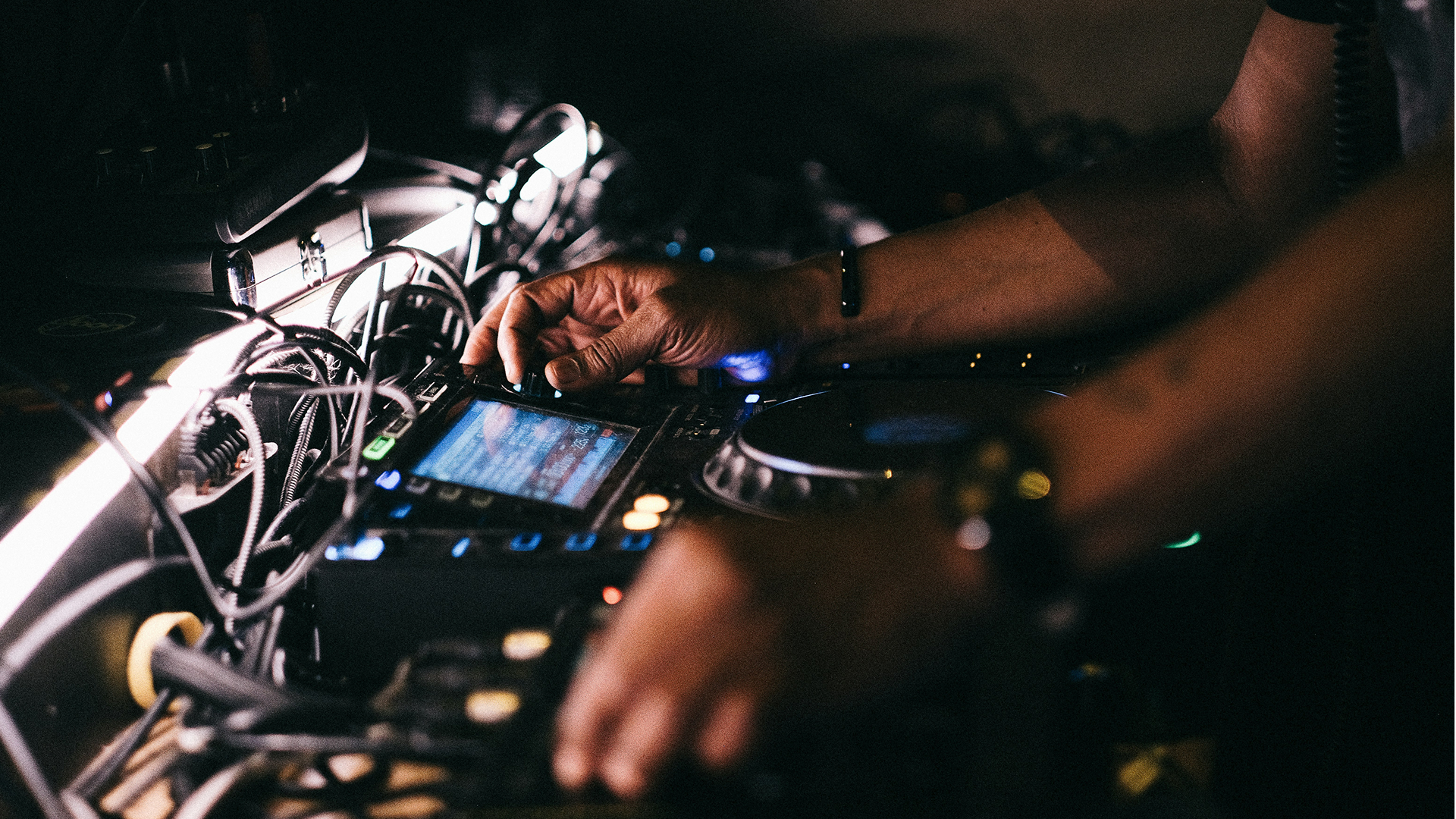
Walk out of almost any rave or club night right now and there's a good chance several of the tracks that hit hardest were IDs. No title, no label, no release date. Just a room full of people trying to Shazam something that isn't there yet.
This isn’t new. Unreleased tracks, dubplates, and white labels have always been part of how dance music moves. Dance music has always been shaped by tracks that existed in booths and on sound systems long before they appeared in shops or on platforms. Exclusivity wasn’t a strategy. It was just how the culture worked.
But something has shifted in the last couple of years. DJs seem to be reaching for unreleased music more often, the conversation around unreleased material feels louder, and the reasons behind it have changed in ways that say something interesting about where the culture is right now.
What Changed
For a while, the logic of releasing music was straightforward. You produced something, you put it out, people bought it or streamed it, and having it available was better than not. Streaming platforms made distribution essentially free and reach pretty much unlimited. The case for holding music back seemed harder to make.
Then the economics of streaming hit properly.
The per-stream rates that producers receive, especially on the underground end of dance music, where audiences are passionate but not massive are negligible. A track with fifty thousand streams on Spotify earns somewhere in the region of £150 ($200) A well-received release on a respected underground label might generate enough to cover the mastering cost and not much else. The financial incentive to release, beyond visibility, is limited.
What hasn't lost its value is the music itself specifically, the advantage that comes from having something nobody else has.
“A record that only I can play is a lot worth more to my bookings than a record that’s been out for six months and every DJ in Europe has on their USB”
The Track No One Else Has
The term “ID” which once felt like an in-crowd calling card, has been appropriated by sites like 1001Tracklists to describe any unreleased song a DJ plays, and can be spotted on cardboard cut-outs held up at festivals. What was once a subcultural signal has become its own economy. (DJ Mag)
For established DJs, unreleased music gives them something other people don’t have. It differentiates a set from everything else on the same bill. It’s a reason for promoters to book you specifically rather than someone playing the same released catalogue. And in an era where the top tier of DJs are increasingly playing the same pool of tracks, having something exclusive is one of the few remaining ways to create genuine distinction.
“It’s the same thing as limited stock, sell out culture in fashion.”
The music that can't be identified, can't be found, can't be purchased; that's the music people talk about after the night.
(DJ Mag)
For emerging artists, the dynamic works differently but the logic is similar. Sending unreleased music directly to DJs they want to connect with is more meaningful than a SoundCloud link to a released track. A DJ who plays your unreleased tune is making a statement about your music that a stream doesn't capture.
Where Tracks Prove Themselves
There's another driver behind the rise in IDs that gets less attention: producers are using live rooms to finish tracks.
Testing reactions is one of the clearest reasons producers play unreleased music. A strong audience response helps producers decide whether to tweak a track, keep it as is, or shelve. This has always been true to some degree, but social media has made the feedback loop faster and more precise. Some DJs now openly test edits during sets and watch online reactions afterward to see which moments resonated most. In a way, the crowd has become an extension of the creative process.
The room tells you things a studio can't. A track that sounds finished on headphones might fall flat in a system with real crowd. One that felt uncertain in the mix might cause something unexpected on a dancefloor. Playing unreleased material live isn't just about exclusivity, it can also be an honest part of how the music gets made.
“I’ve changed the direction of releases based on crowd reactions more times than I can count. The dancefloor is brutally honest in a way that no A&R feedback ever is.”
The Platform That Emerged From All This
Platforms like 1001Tracklists and LiveTracklist have made track identification faster, more public, and more competitive than it ever used to be. Clips circulate within minutes, timestamped comments appear, and online communities collaborate to identify tracks. (Magnetic Magazine)
This has created something of an arms race. The more visible ID culture becomes, the more value there is in having tracks that resist identification (music that doesn't appear in any database, can't be Shazamed, and generates speculation rather than instant answers). What was once discovery has become a treadmill. What was once a treasure hunt has become a comment ritual. (Magnetic Magazine)
New infrastructure has started to emerge around this. Platforms like pl8list have been built specifically to handle dubplate distribution, offering watermarking, private sharing, and direct artist-to-DJ sales, describing itself as a secret third option built around exclusivity and being in the know. The fact that tools like this are being built at all suggests that the unreleased economy has matured to the point of needing its own ecosystem. (Magnetic Magazine)
Where It Gets Complicated
None of this is without tension.
When novelty becomes the primary value, musical storytelling suffers. Sets risk becoming previews rather than journeys. DJs become testers of future releases rather than curators of music history. And listeners, consciously or not, are trained to crave what they can't have instead of sitting with what they do.
There's also a question of access. The dubplate economy has always favoured artists with the right relationships; those connected enough to receive exclusive music, established enough to have leverage over when and whether to release. For emerging producers without those connections, the system can feel like a closed loop.
Then there's the straightforward reality that unreleased music, by definition, doesn't earn. Tracks sitting on USBs aren't generating royalties. The advantage they provide is real, but it only converts into income if and when a release eventually happens. For artists who need the music to sustain a career, holding everything back indefinitely has its own costs.
“There’s a version of ID culture that’s genuinely exciting, music finding its form in the room before it’s finished, but there’s a version that’s just hoarding. The difference is usually obvious when you’re watching someone play.”
What It Actually Reflects
The rise of unreleased music in DJ sets isn't really about nostalgia for dubplate culture, or a rejection of streaming, or even a deliberate strategy in most cases. It's a response to a set of economic and cultural conditions that have made the old logic of releasing music less appealing.
When streaming pays next to nothing, when every track is available to everyone instantly, when originality is harder to create; music that doesn't exist yet becomes one of the last genuine forms of currency in DJ culture.
The comments, tracklist hunters, and speculation around IDs are what happens when a scene built on shared discovery meets music that withholds just enough. It generates exactly the kind of conversation that a released track, available on every platform the moment it drops, often doesn't.
Whether that's good for the music is a different question. But it's an honest reflection of where the industry is right now.